
Key takeaways
- Digital transformation is vital for heritage attractions to preserve history and attract modern audiences.
- Data analytics help tailor visitor experiences and optimise operations at sites like Tanfield Railway.
- Mobile apps and digital tools extend engagement, enhance accessibility, and enrich education.
- Balancing on-site immersion with cutting-edge technology is crucial for heritage attractions.
- Future tech like AI, blockchain, and IoT offer further opportunities for heritage railways.
Tanfield Railway, the world's oldest railway, is pioneering digital transformation to preserve its rich heritage. This approach enhances revenue, visitor engagement, and sustainability for the future.
Why Digital Transformation Matters for Heritage Attractions
In today's fast-paced, technology-driven world, heritage attractions are increasingly embracing digital transformation. Integrating digital tools not only helps preserve historical essence but also attracts modern audiences. As heritage sites compete with contemporary attractions, digital platforms offer a unique blend of past and present, making history accessible and engaging for a broader demographic.
Digital transformation enhances visibility and reach, ensuring heritage sites remain relevant. Through social media, websites, and digital marketing strategies, these sites can showcase their rich history and unique experiences to a global audience, driving more visitors and increasing revenue.
Using Data to Improve Visitor Experiences
A key benefit of digital transformation is the ability to harness data to improve visitor experiences. By collecting and analysing data on visitor behaviour, preferences, and feedback, heritage attractions can tailor services and offerings to meet their audience's needs and expectations.
Data analytics can identify peak visiting times, popular exhibits, and areas where visitors spend the most time. This information helps optimise staffing, improve crowd management, and enhance the overall visitor experience. Additionally, personalised recommendations and targeted marketing campaigns can be developed based on visitor data, ensuring each visitor receives a unique and memorable experience.
Extend Engagement with Mobile Apps
Mobile apps offer a powerful tool for extending visitor engagement beyond the physical visit. Heritage attractions can develop apps that provide additional information, interactive maps, and virtual tours, allowing visitors to continue their exploration and learning even after they leave the site.
Apps can also offer exclusive content, such as behind-the-scenes footage, interviews, and historical facts, providing a deeper understanding and appreciation of the heritage site. Gamifying the experience with quizzes, challenges, and rewards can keep visitors engaged and encourage repeat visits.
Enhancing Accessibility and Education Digitally
Digital tools play a crucial role in enhancing accessibility and education. Virtual tours, for instance, can make heritage sites accessible to individuals with mobility issues or those unable to visit in person. These virtual experiences can be just as enriching, offering detailed views, interactive elements, and informative commentary.
Educational programmes can also be enhanced through digital means:
- Online resources, interactive exhibits, and digital storytelling can bring history to life for students and educators.
- Digital archives and databases provide access to historical documents, photographs, and artefacts, preserving valuable information.
Balancing Immersion with Cutting-Edge Technology
While digital transformation offers numerous benefits, it is essential to strike a balance between on-site immersion and technology. Heritage attractions must ensure technology enhances the visitor experience without detracting from the site's historical and cultural significance.
For example, augmented reality (AR) and virtual reality (VR) can create immersive experiences that transport visitors back in time, allowing them to witness historical events and explore the site as it once was. However, it is crucial to integrate these technologies seamlessly, ensuring they complement rather than overshadow the physical experience.
Case Study: Tanfield Railway’s Digital Innovations
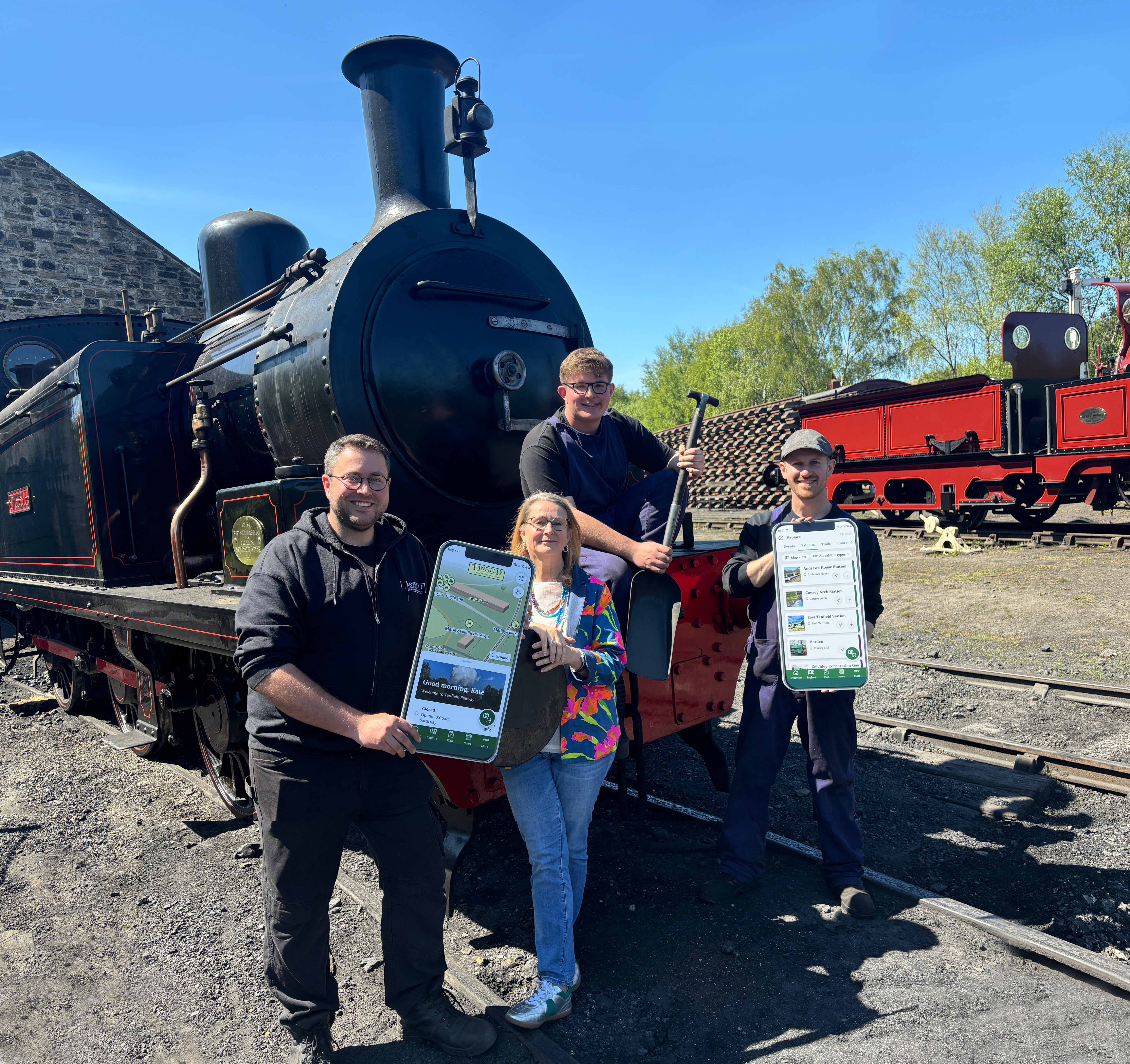
Tanfield Railway is a prime example of a heritage attraction successfully embracing digital transformation. By leveraging digital tools and strategies, the railway has enhanced visitor engagement, driven revenue, and secured its future.
The railway has implemented various digital initiatives:
- Using data analytics to understand visitor behaviour.
- Developing a mobile app to extend engagement.
- Creating virtual tours to enhance accessibility.
These innovations have helped Tanfield Railway attract a diverse audience, providing a unique and memorable experience that blends tradition with technology.
Future Opportunities for Heritage Railways
As technology continues to evolve, heritage railways have numerous opportunities to further integrate digital transformation. The use of artificial intelligence (AI) and machine learning can provide deeper insights into visitor behaviour and preferences, allowing for more personalised and targeted experiences.
Other emerging technologies include:
- Blockchain technology for secure and transparent ticketing systems, ensuring safe and efficient transactions.
- The Internet of Things (IoT) to monitor and maintain railway infrastructure, enhancing safety and operational efficiency.
By staying ahead of technological trends and continuously innovating, heritage railways can ensure their long-term sustainability and relevance in the digital age.
Preserving History While Embracing the Future
The integration of digital transformation in heritage attractions like Tanfield Railway highlights the potential to preserve history while embracing the future. By leveraging digital tools and strategies, these sites can enhance visitor experiences, drive revenue, and ensure their sustainability for generations to come.
As heritage attractions continue to navigate the challenges and opportunities of the digital age, it is essential to strike a balance between tradition and technology. By doing so, they can create a unique and enriching experience that honours the past while looking forward to the future.
Want this applied to your attraction?
We are happy to talk through your own plans, even at an early stage.
Related reading
Winning more direct bookings starts with the guest experience
For holiday parks, a connected guest journey can help turn a first stay into a lasting relationship. Discover how a guest experience app can support repeat bookings, more relevant communication and a stronger direct booking strategy.
Read articleHow to grow resort secondary spend with digital
Learn how to use digital tools to increase resort secondary spend. Explore strategies for food and beverage, retail, activities, and driving repeat visits.
Read article