
Key takeaways
- Digital tools solve common farm park operational challenges like wayfinding, crowd flow, and managing event timings.
- A connected guest experience increases visitor satisfaction and provides new opportunities to drive secondary spend.
- Visitor intelligence gathered via an app provides useful data for future operational and commercial improvements.
The Modern Farm Park Challenge: More Than Just Animals
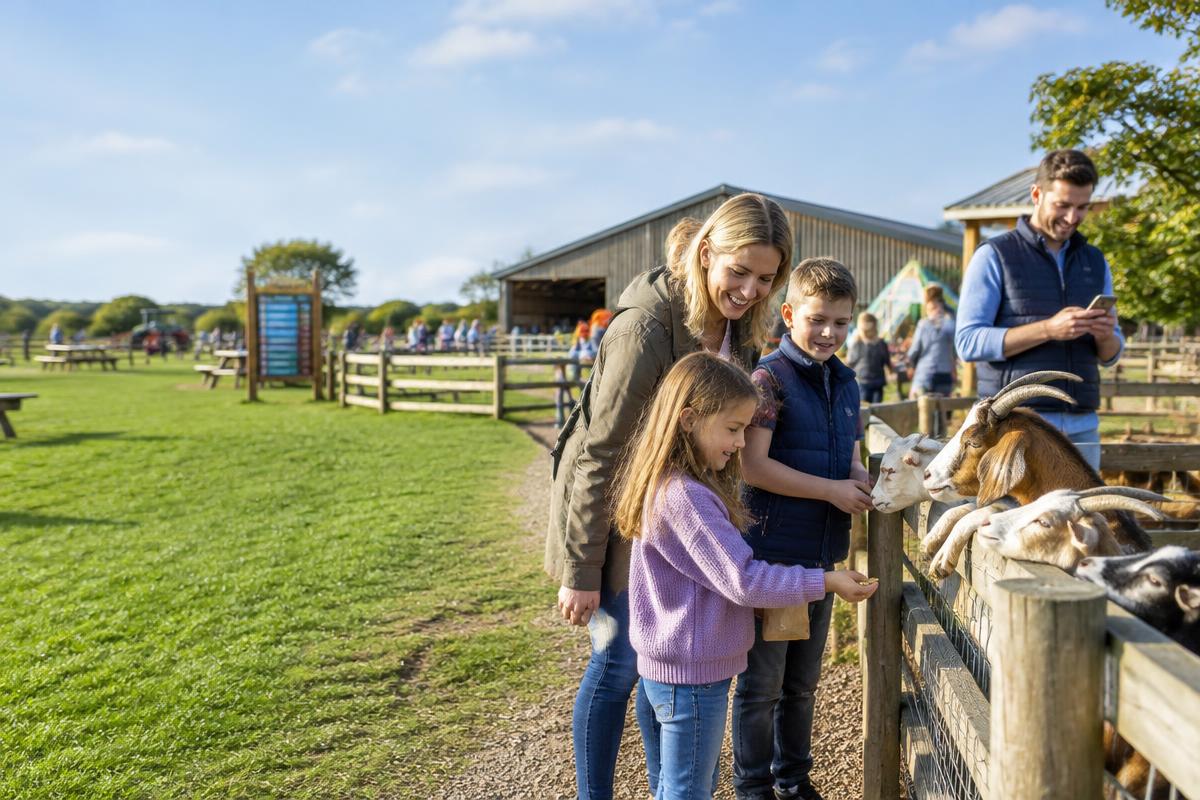
Running a farm park is a complex business, combining the roles of educator, retailer, event manager and caterer. Your site might have grown organically over decades, resulting in a sprawling layout that is charming but also potentially confusing for first-time visitors. Families arrive with a loose plan, hoping to see specific animals and catch key events. The success of their day often depends on how easily they can find their way and how much they feel they have accomplished, all before tired children trigger an early exit. Guiding hundreds or thousands of people smoothly through a varied, time-sensitive environment is a significant operational challenge.
First Impressions Count: From Car Park to Calf Pen
The visitor's first experience begins the moment a car pulls into your drive, setting the tone for the entire day. A crumpled paper map, quickly made illegible by rain or sticky fingers, is a common frustration. Static signage is expensive to install and change, and it can be easily missed by a family distracted by excited children. A visitor's first hour should be one of excitement and discovery. You want them heading towards the action, rather than standing at a crossroads feeling confused.
Digital Wayfinding for Sprawling Sites
A live, interactive map on a visitor's phone provides a clear solution. For example, a parent with a toddler can instantly find the nearest baby-changing facilities. A family running late can find the quickest route to the 11am petting session without having to stop and ask for directions. You can highlight accessibility routes for wheelchairs and pushchairs, making the day less stressful for many guests. The map becomes a personal guide, helping visitors to explore your site with confidence and at their own pace. This reduces pressure on your staff, freeing them from repeatedly giving directions to focus on higher-value interactions.
Orchestrating the Perfect Day
A successful farm park visit is often built around a schedule of live events. Tractor rides, milking demonstrations, sheepdog trials, and animal feeding talks are the anchors of the day. These events create natural peaks in footfall and place huge demands on your operations. Managing visitor flow to and from these timed activities is a constant balancing act. Disappointment is a real risk. When a family misses an event they were excited about, it leaves a lasting negative impression.
Live Schedules and Push Notifications
Direct, real-time communication with every visitor is possible through a digital schedule within a guest experience app. For example, a family enjoying the outdoor play area could receive a notification on their phone 15 minutes before the ferret race begins. They have plenty of time to make their way over. This simple tool changes the visitor experience from a frantic rush to a relaxed journey. You gain immense operational flexibility.
- Send automated reminders for key events, like 'Tractor rides begin in 15 minutes at the North Paddock'.
- Instantly communicate last-minute changes, for example 'Today's 2pm lamb feeding is moving to the indoor barn due to rain'.
- Help manage crowds by sending a message suggesting a less busy activity if one area becomes too congested.
More Than a Map: Creating Moments of Discovery
A digital guide can add a rich layer of content and interactivity to your site, turning a simple walk between paddocks into an educational adventure. This allows you to tell the stories of your animals and your farm's heritage without the cost and maintenance of extensive physical signage. It deepens the educational value of the visit, something many parents are actively looking for.
For example, using location-aware triggers, a family approaching the rare breeds' barn could receive a prompt on their phone. This could open a short video of the farmer talking about that specific breed, or a fun, multiple-choice quiz for the children. This content enriches the visit at the precise moment of interest, creating a more memorable and engaging experience.
Boosting Your Bottom Line Beyond the Gate
Secondary spend from catering and retail is the lifeblood of most farm parks. Relying on visitors to stumble upon your cafe at the exact moment they feel hungry, or to browse the entire gift shop on their way out, is an unreliable strategy. Proactive, intelligent communication can significantly increase on-site spend by presenting the right offer to the right person at the right time.
Targeted Offers and In-App Commerce
Using location and time as triggers for targeted messaging is highly effective. For example, as a family leaves the adventure playground around 12:30pm, a notification can appear: 'Feeling peckish? Get 10% off kids' lunchboxes at The Haystack Cafe, just around the corner.' It feels helpful, not intrusive. You can remove friction from the purchasing process, a major barrier for families with young children. The ability to handle transactions within an app, such as for digital memberships, streamlines operations and enhances visitor convenience.
- Allow visitors to pre-order coffee and cake from their phone to collect and skip the queue.
- Promote an end-of-day '20% off all soft toys' offer in the gift shop to visitors as they head towards the exit.
- Sell bags of animal feed or tickets for premium experiences like 'Junior Farmer for an Hour' directly in-app.
Practical First Steps for Your Farm Park
Implementing a new digital system can feel like a big undertaking, but it does not have to be a disruptive, all-or-nothing project. The key is to start small and focus on solving your most pressing operational problems or visitor complaints.
A great first step is to map the typical visitor's route. Walk the site yourself, pretending you are a first-time guest with two young children on a damp Tuesday. Note the points of confusion, where queues consistently form, and the questions your staff spend most of their day answering. Your own team is a goldmine of this information. Your goal is to identify the biggest points of friction.
Once you have identified these, you can see how a guest experience platform, such as n-gage.io, could directly address them. You do not need to launch with every possible feature. Perhaps begin with a digital map and a live, editable schedule. These two features alone can have a significant positive impact. From there, you can gather feedback, analyse the initial data, and build your digital offering, adding features like food ordering or educational content as you grow in confidence. The objective is continuous, data-informed improvement, rather than instant perfection.
Want this applied to your attraction?
We are happy to talk through your own plans, even at an early stage.
More for farm parks
Farm park visitor data: planning for weather, holidays and peaks
Use real-time visitor data to optimise guest flow, staffing, events, and secondary spend at your farm park, creating a better day out for everyone.
Read articleGrowing farm park secondary spend and season pass sales
A guide for UK farm park operators on boosting commercial growth. Learn practical strategies to increase secondary spend and use visitor data to encourage repeat visits.
Read article