
Key takeaways
- The small moments away from the main stage are what define a great festival experience.
- Digital tools provide effective solutions for common festival pain points like wayfinding, scheduling, and accessibility.
- Visitor intelligence gathered through a festival app provides useful data for future event planning and commercial strategy.
The Experience Gap Between the Car Park and the Main Stage
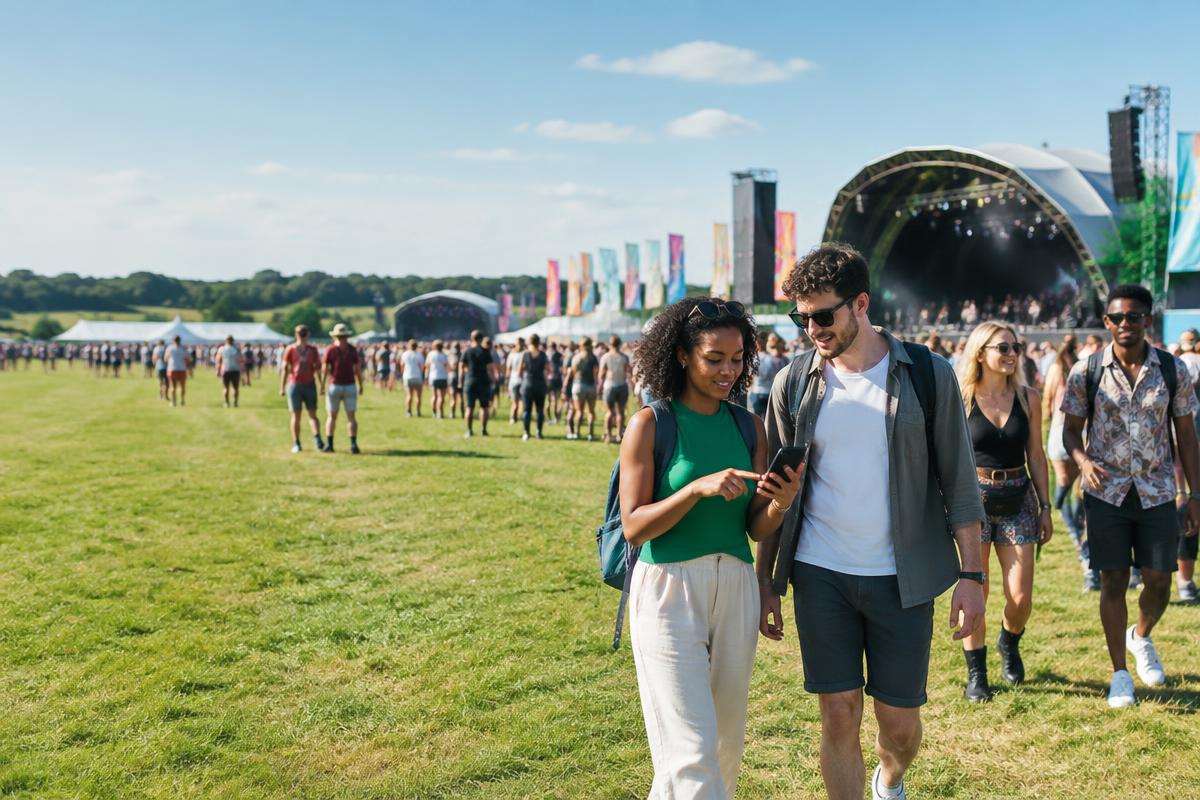
Your attendees arrive full of anticipation, with tickets, friends, and a list of must-see acts. The experience that follows, in the spaces between the car park, campsite, and main stage, is where the event's success is truly decided. It is defined by the small, often overlooked details of their visit.
Common points of friction include long queues, confusion over tent pitches, and frustration with a crumpled paper map in the rain. These moments matter. They add stress that detracts from the joy. Headline acts are the main draw, but the on-site guest experience determines whether attendees leave feeling elated or exhausted. Getting this right turns happy customers into loyal advocates.
From Paper Lanyards to Pockets of Power
For years, the festival toolkit was a printed programme and a lanyard map, analogue solutions for an analogue age. Today, almost everyone on your site carries a computer in their pocket. Their smartphone is their camera, wallet, and connection to the world. Ignoring this misses the single biggest opportunity to improve their experience. A dedicated festival app meets your audience where they are, placing control directly into their hands.
Wayfinding Without the Worry
Festival sites are vast, temporary towns where signage can be inconsistent and landmarks obscured. An attendee might be trying to find a small food stall a friend recommended, or a parent could be searching for the nearest first-aid tent. With a paper map, this becomes a stressful guessing game. A digital map on a phone, however, shows their exact location. It lets them search for facilities, vendors, or stages and can plot the quickest route. This turns navigation from a source of anxiety into a simple, reliable process.
The End of the Schedule Clash
The schedule clash is a classic festival dilemma. Having to choose between two favourite artists at opposite ends of the site is a real disappointment for attendees. A static, printed schedule offers no solution. A dynamic, digital version allows each person to become their own programmer. They can browse the line-up, add acts to a personal itinerary, and receive a push notification before a performance begins. This feature helps them get more from their ticket and assists with crowd distribution across the site.
Creating a More Inclusive and Accessible Festival
Accessibility should be fundamental to festival planning, not an afterthought. Digital tools can make a significant difference to how welcoming and navigable your event is for attendees with specific access needs. Clear, detailed information helps people plan their visit with confidence and reduces on-the-day anxiety.
- Offer pre-visit information on accessible routes, viewing platforms, and quiet zones within the app.
- Clearly highlight step-free routes and the locations of accessible toilets and changing facilities on a digital map.
- Provide real-time updates on the status of facilities, such as when a viewing platform reaches capacity.
- Enable attendees to contact welfare or accessibility teams directly via secure in-app messaging for discreet support.
The Power of Live Information
Festivals are living, breathing events. The weather changes, secret sets are announced, and operational issues can arise without warning. Your ability to communicate with everyone on-site instantly is a huge operational advantage. Relying on word of mouth or social media posts is slow and unreliable. Direct push notifications are immediate and cut through the noise.
Picture this: a surprise guest has just been confirmed for a smaller stage in 30 minutes. A paper schedule is now obsolete. A single, targeted push notification, however, can send a wave of excitement across your audience, driving huge footfall to that stage and creating a legendary festival moment people will talk about for years.
The uses are also practical. If a heavy downpour begins, you can send a message highlighting covered stages with space, or direct people to where they can buy ponchos. This proactive communication demonstrates care and shows you are actively managing their comfort and safety.
Beyond the Ticket: New Commercial Avenues
A better guest experience also opens up new and more effective commercial opportunities. When you can communicate with attendees directly, you can drive secondary spend in a way that feels helpful, not intrusive. Forget blanket advertising. Think targeted, useful offers.
For example, you can support your food vendors by sending a location-aware notification to people near the main food arena during a quieter period between headline acts. An offer like '20% off all burgers at Vendor X for the next hour' can help your partner increase sales while giving your attendees a great deal. You can also use the app to promote merchandise, reminding people where the official merch tent is located just after a popular band has finished their set.
Exploring Digital Memberships
The connection with your audience can continue long after they leave the site. Digital memberships, managed via an app, build a year-round community around your festival brand. This creates a loyal following, more likely to buy tickets early for the next event. You could offer members exclusive content, priority booking for tickets and accommodation, or on-site perks during the festival, all managed through a digital membership card in their phone's wallet.
Practical First Steps to a Better Festival Visitor Experience
Improving the on-site guest journey can feel like a large project. Progress can be made with a structured approach. Here are some simple first steps.
- Map Your Current Guest Path: Before looking at solutions, walk the festival site from the perspective of different visitor types, such as a family, a wheelchair user, or a first-timer. Note every point of potential confusion, frustration, or delay. Identify where people get lost and what questions they repeatedly ask stewards.
- Prioritise the Pain Points: You cannot fix everything at once. From your map, identify the top three issues that have the biggest negative impact. These might include queues for the bars, poor signage to campsites, or a lack of information about stage times.
- Evaluate Digital Tools Comprehensively: When considering a festival app, look beyond a simple map. A guest experience platform should integrate scheduling, messaging, commerce, and visitor intelligence. A unified platform is more efficient for your team and provides a smooth experience for your visitors.
- Start Small and Communicate Clearly: Your system does not need to do everything from day one. You could begin with a digital map and schedule. The key is to communicate the app's benefits clearly to attendees before and during the festival, encouraging them to download and use it as their primary guide.
Want this applied to your attraction?
We are happy to talk through your own plans, even at an early stage.
More for festivals
Festival visitor data: running a safer, smoother event
Discover how real-time festival visitor data can improve your operations. Better manage crowd flow, optimise staffing, and boost spend with smarter guest intelligence.
Read articleHow to increase festival secondary spend and ticket loyalty
A practical guide for UK festival operators on using digital tools and visitor intelligence to boost secondary spend, create membership models, and encourage repeat visits.
Read article