
Key takeaways
- Real-time visitor data provides a minute-by-minute view of your resort, unlike post-visit surveys.
- Understanding guest flow and dwell times allows for smarter staffing and resource allocation.
- Data from a visitor app helps measure the impact of events and refine your guest experience.
From Historical Data to Live Intelligence
As a resort operator, you are surrounded by data from property management systems, booking engines and EPOS tills. This data is excellent for understanding past events: who booked, when they stayed and what they bought. However, it does not tell you what is happening on-site right now. Your resort is a complex, living environment of accommodation, restaurants, leisure facilities and open spaces. To manage it effectively, you need live intelligence. You and your team know the rhythm of your property through experience and instinct. This article explains how to add a layer of objective data to that instinct, helping you confirm suspicions and uncover new patterns.
From Guesswork to Guest Flow Intelligence
Traditionally, guest flow has been understood through staff observation and anecdotal feedback. A duty manager might notice a crowd forming near the pool, or a team member might report that a certain path is rarely used. While useful, this approach is patchy and subjective. It is impossible to have eyes everywhere at once. The next step is to replace guesswork with a consistent, property-wide view of guest movement.
Mapping the Guest Journey in Real Time
Technology provides a new perspective. A modern resort visitor app with digital mapping can show anonymised, aggregated data on where your guests are at any moment. This creates a live heat map of your entire estate. You can see the invisible pathways and currents of your visitor population, and which routes they favour or avoid. This approach does not track individuals; it helps you understand the collective behaviour of your guests.
Picture a wet Tuesday in August. Your indoor pool is at capacity, but the soft play area is surprisingly quiet. This could be a one-off, or it might be a pattern. Visitor data shows you exactly where those families have gone. Perhaps they are spending longer in their lodges or are clustered in the main restaurant. This information allows you to react, perhaps by sending a push message offering a discount at the soft play to families currently in the restaurant.
- Identify unexpected bottlenecks, for example a narrow path between the spa and the main hotel building that becomes congested after 5pm.
- See which areas are underused at specific times of day, presenting an opportunity for pop-up activities or promotions.
- Understand the real-world routes guests take between key locations, which may not be the routes your signposts suggest.
The Value of Dwell Time Data
Knowing where guests go is one part of the puzzle. Knowing how long they stay there is the other. Dwell time is an important metric. It shows the difference between a place people pass through and a place where they genuinely engage. High dwell time is not automatically good, as it could indicate a long queue. Low dwell time is not automatically bad, as it could mean efficient service. As an operator, you provide the context, which is everything. The data gives you a new tool to analyse engagement and its connection to guest experience and secondary spend.
Connecting Dwell Time to Secondary Spend
Suppose you have a gift shop. Your till data shows its revenue, but dwell time data can tell a deeper story. It can reveal if people are browsing for an average of 90 seconds before leaving, or lingering for five minutes. If footfall is high but dwell time is low, the layout might be confusing or the product mix may not be right.
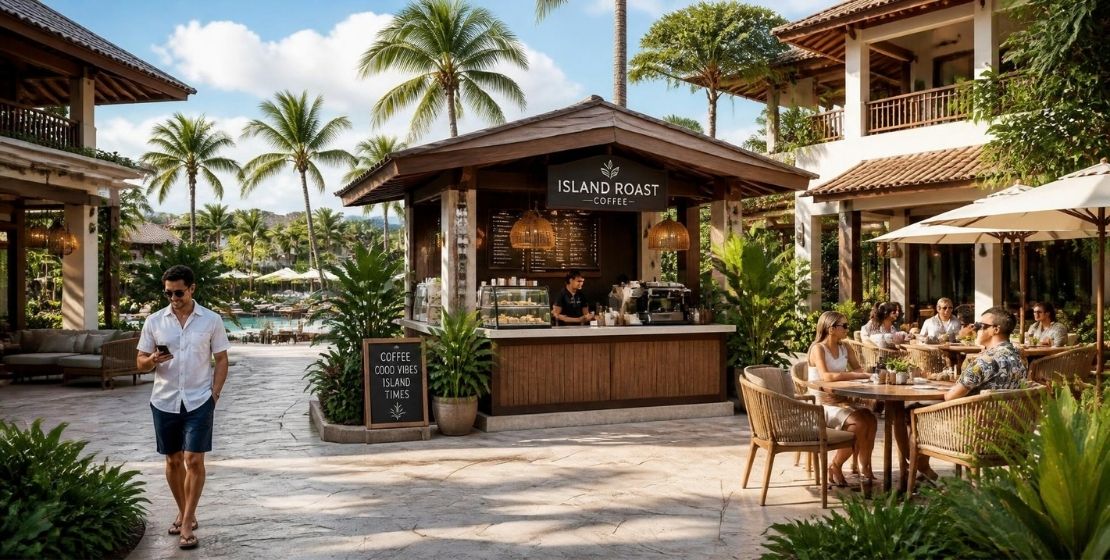
For example, you install a new coffee kiosk by the lake. Your till data shows it is performing well. Dwell time data adds another layer. It might show that people are stopping for a coffee but not lingering, which suggests a lack of seating. Adding a few benches, informed by this data, could turn a quick stop into a longer, more relaxing break, potentially leading to a second purchase.
Smarter Staffing and Resource Allocation
Visitor intelligence on flow and dwell has direct, practical applications for your daily operations. It helps solve the constant challenge of staff allocation. Creating rotas is a difficult balancing act. Too many staff on duty and your payroll costs are inflated. Too few, and service levels drop, queues form, and the guest experience is compromised. Data helps you align staffing levels with actual, observed guest behaviour, rather than relying only on historical booking patterns.
Aligning Your Team with Guest Behaviour
If you can see that the family entertainment complex consistently empties between 3pm and 5pm as guests return to their lodges, you can plan accordingly. Staff can be re-tasked during this quiet period to prepare for the evening restaurant rush. Cleaning teams can be scheduled to service the area with minimal disruption to guests. This allows your team to work smarter, not harder, using your most important resource effectively.
- Schedule cleaning and maintenance for specific facilities during periods of demonstrably low footfall.
- Direct guest service hosts to emerging busy spots before they become a problem, improving guest satisfaction.
- Improve restaurant and bar staffing based on real arrival patterns, which often differ from booking times.
- Manage the significant shifts between low-season weekdays and peak-season weekends with more confidence.
Measuring What Really Works
Every resort operator invests in events, activities and promotions to improve the guest experience and drive revenue. The difficult part is measuring the true return on that investment. It can be hard to know if a new festival increased on-site spend, or just concentrated it in one area. Ticket sales and till receipts only tell part of the story. A guest experience platform can provide the data to answer these questions clearly. By analysing guest movement and behaviour, you can see the wider impact of your initiatives. You can also see if event attendees visited other parts of the resort or spent more at food and beverage outlets compared to non-attendees.
Picture your new 'Woodland Trail' for kids. You can use push messaging within a resort visitor app to promote it to families currently on site. You can then measure exactly how many people visited the trail, how long they spent there, and even see if they visited the nearby ice cream parlour afterwards. This gives you a clear picture of its success and provides a concrete basis for future investment decisions. The same logic applies to understanding how different guest segments behave. Data from digital memberships, for example, can show how members use the resort differently from day visitors or holidaymakers, allowing for highly targeted offers and communications.
Practical First Steps with Resort Visitor Data
Getting started with this level of visitor intelligence does not require a complete operational overhaul. The key is to take small, deliberate steps. The goal is to build a clearer, data-supported picture of your resort's daily life, one question at a time. Trying to measure everything at once is a recipe for confusion. Instead, begin by identifying a specific operational challenge or a long-held assumption you want to test.
Three Questions to Ask This Week
First, identify your biggest assumption about how guests use the main plaza. Perhaps you think they pass through quickly, when in fact they stop and gather. Data can test this theory and show you what is really happening.
Second, consider a restaurant or café you believe is underperforming. Real-time footfall and dwell time data can reveal whether the issue is its location, menu, or something else. This separates opinion from fact.
Third, think about your main check-in day. Knowing where guests go immediately after dropping their bags creates an immediate opportunity for a welcome offer or a relevant activity suggestion sent via a guest app. A platform with a visitor intelligence dashboard, like n-gage.io, is designed to help you answer these kinds of practical, useful questions.
Want this applied to your attraction?
We are happy to talk through your own plans, even at an early stage.
More for resorts
How to grow resort secondary spend with digital
Learn how to use digital tools to increase resort secondary spend. Explore strategies for food and beverage, retail, activities, and driving repeat visits.
Read articleResort guest experience: more than a bed for the night
UK resorts are often complex environments. A superior visitor experience depends on digitally guiding guests through your entire site, helping them to easily find and enjoy everything on offer.
Read article