
Key takeaways
- Useful notifications begin with a guest need and a clear next step.
- Timing, audience and operational readiness matter as much as the wording.
- Campaign performance should include the intended action, alongside engagement and opt-outs.
Start with the decision you can help
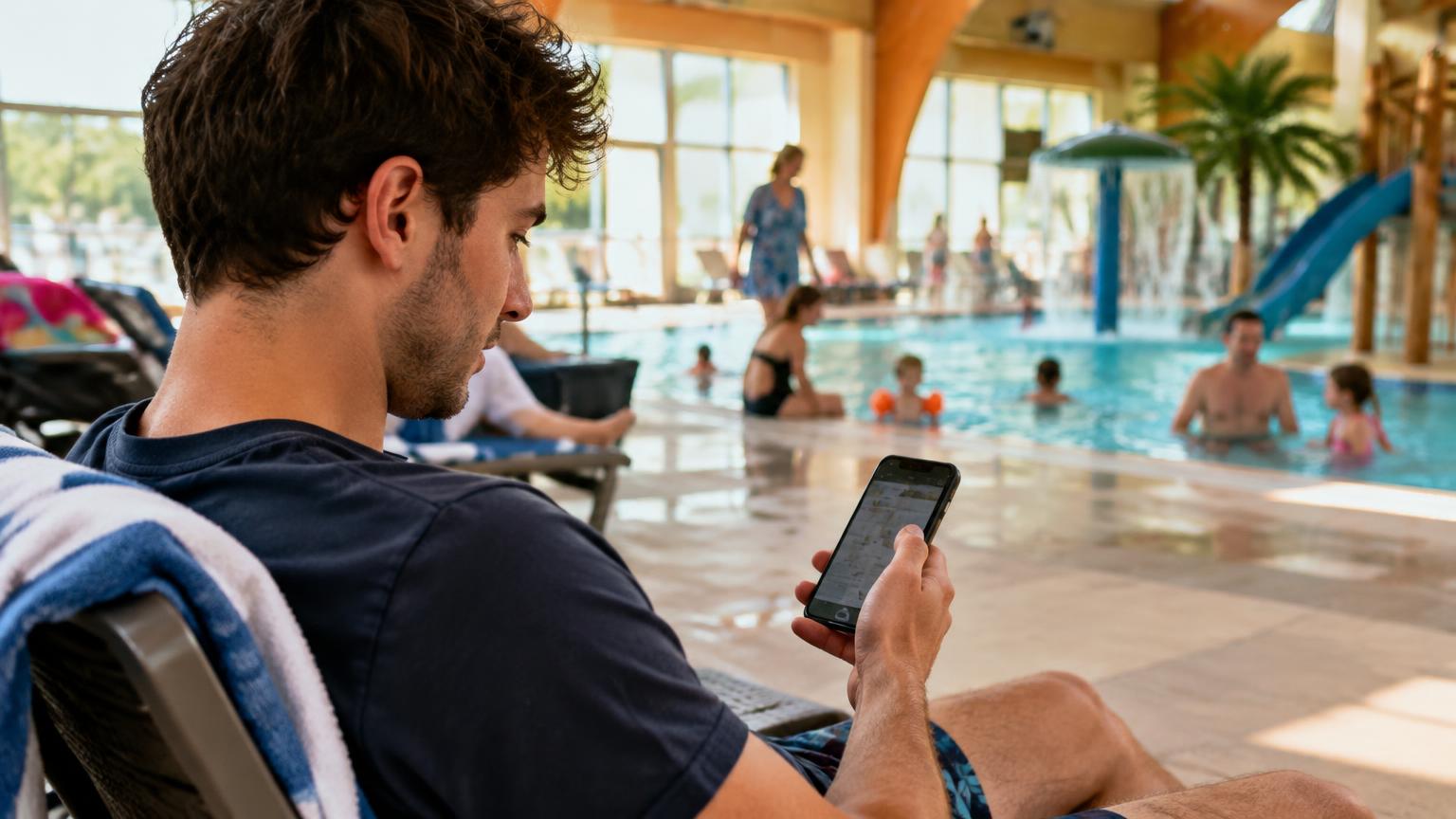
A guest is deciding what to do after lunch. There is an activity they would enjoy, but they have not discovered it. A clear reminder could help them find it in time.
Another guest is relaxing off park. The same message may have little value to them.
Push notifications give your team a way to communicate during the stay, but having access to a guest’s phone creates a responsibility to use their attention carefully.
Begin with the question: what useful decision will this message help someone make?
Define the purpose before writing
Choose one outcome for each message. You might need guests to read a revised programme, find a venue, view a menu or check an available session.
For example, a change of entertainment venue needs clear practical guidance. A dining promotion needs a relevant offer and a straightforward route to the menu or reservation process.
Write the destination first. If the page guests open does not answer the obvious questions, improving the notification alone will achieve little.
Make sure guests can understand what happens next, including any cost, eligibility or booking requirement.
Choose the audience with care
Some updates apply widely. Others should reach a smaller group.
Use the audience information your systems can reliably support, such as declared interests, relevant engagement, current location or stay information where connected. Different signals have different limits.
A location signal does not guarantee someone can attend an activity. Viewing a page indicates interest without proving a preference. Stay dates may require a booking-system connection.
Keep targeting proportionate and explain permissions clearly. A device setting alone should not be treated as the complete basis for a marketing strategy; agree how permissions and preferences are managed across the guest journey.
Give guests time to act
Timing depends on the decision.
An activity reminder should leave enough time to understand the details, book if necessary and reach the venue. A restaurant message should arrive while guests can still make a practical dining choice.
There is no single schedule that suits every park or audience. Test timing against your own programme, distances and guest response.
Before sending, check operational readiness. The venue must know what has been promoted, the offer must be deliverable and the booking information must be current.
Write for a quick, clear decision
Use a specific title and a short message that explains the benefit and action. These illustrative examples show different purposes:
- A new venue for tonight’s quiz — Tonight’s quiz will be in the Pavilion at 7pm. Tap for directions.
- Plan tomorrow’s family adventure — Explore tomorrow’s guided woodland sessions. View ages, prices and booking details.
- Looking for an earlier dinner? — See the family dining options available this evening and check table times.
Only use these kinds of claims when the programme and availability support them. Avoid artificial urgency or promising a place before the booking is confirmed.
Coordinate messages across the park
Reception, entertainment and commercial teams may all have something to share. Without coordination, guests can receive several messages in a short period.
Agree who approves campaigns, how audiences are checked and how promotional messages are paused when necessary. Keep operational changes easy to distinguish from offers.
Provide other ways to communicate essential information. Push delivery depends on devices, connectivity and settings, so it should sit within a wider communication plan.
Measure what the message was meant to achieve
A tap shows that a message attracted attention. Assess the next action too: views of the revised programme, booking starts, completed reservations or offer redemptions where those records are available.
Review opt-outs and feedback alongside positive results. Compare similar campaigns carefully, taking account of occupancy, weather and audience differences.
Start with one useful campaign, learn from the response and refine it. Guests are more likely to value communication that repeatedly helps them enjoy their stay.
Want to build a more relevant guest messaging programme? Explore n-gage.io for holiday parks and talk to us about your communication priorities.
Want this applied to your attraction?
We are happy to talk through your own plans, even at an early stage.
More for holiday parks
When the weather changes, your guest experience needs to change too
Rain can change a holiday park’s plans in minutes. Discover how a connected guest journey can help your team communicate clearly, promote alternatives and protect the quality of the stay.
Read articleBefore guests arrive: the decisions that shape a better holiday
The guest experience begins before check-in. Discover how clear pre-arrival information and a connected park app can help guests prepare, discover activities and start their break with confidence.
Read articleYour booking system knows who is coming. What happens next?
A reservation tells you about the stay a guest has booked. Discover how connecting booking systems, guest experience tools and visitor insight can help your team understand and support the holiday that follows.
Read articleFewer repeat questions, more time for your guests
Opening times, directions and activity details can occupy a surprising amount of a reception team’s day. Discover how clearer digital information can reduce avoidable enquiries and support more personal guest service.
Read articleWinning more direct bookings starts with the guest experience
For holiday parks, a connected guest journey can help turn a first stay into a lasting relationship. Discover how a guest experience app can support repeat bookings, more relevant communication and a stronger direct booking strategy.
Read articleHow to get guests using your holiday park app throughout their stay
Launching an app is the beginning of the work. Discover how to give guests a clear reason to download it, find something useful and keep returning during their holiday.
Read articleEmpty activity spaces and busy facilities: how to balance demand
A full holiday park can still have empty activity places and overcrowded facilities. Discover how better information, booking journeys and guest insight can help your team make more effective use of available capacity.
Read articleIs your guest app delivering value? What holiday parks should measure
Downloads are a starting point for understanding app performance. Discover how to assess guest usefulness, operational improvements and commercial outcomes with a practical measurement framework for your park.
Read articleHoliday park guest data: running the park from what guests do
A guide for holiday park operators on using real-time visitor data to improve guest flow, optimise staffing, manage dwell time, and measure event success.
Read articleBoosting holiday park secondary spend: a guide for operators
Discover practical strategies for UK holiday park operators to increase secondary spend, build loyalty with digital memberships, and drive repeat visits using technology.
Read articleHow a holiday park guest app improves the on-site stay
A holiday park visitor app solves common on-site guest frustrations. Discover how to improve wayfinding, manage schedules, and boost secondary spend.
Read article